
Essential Hebrew Travel Phrases For Your Trip To Israel

Author
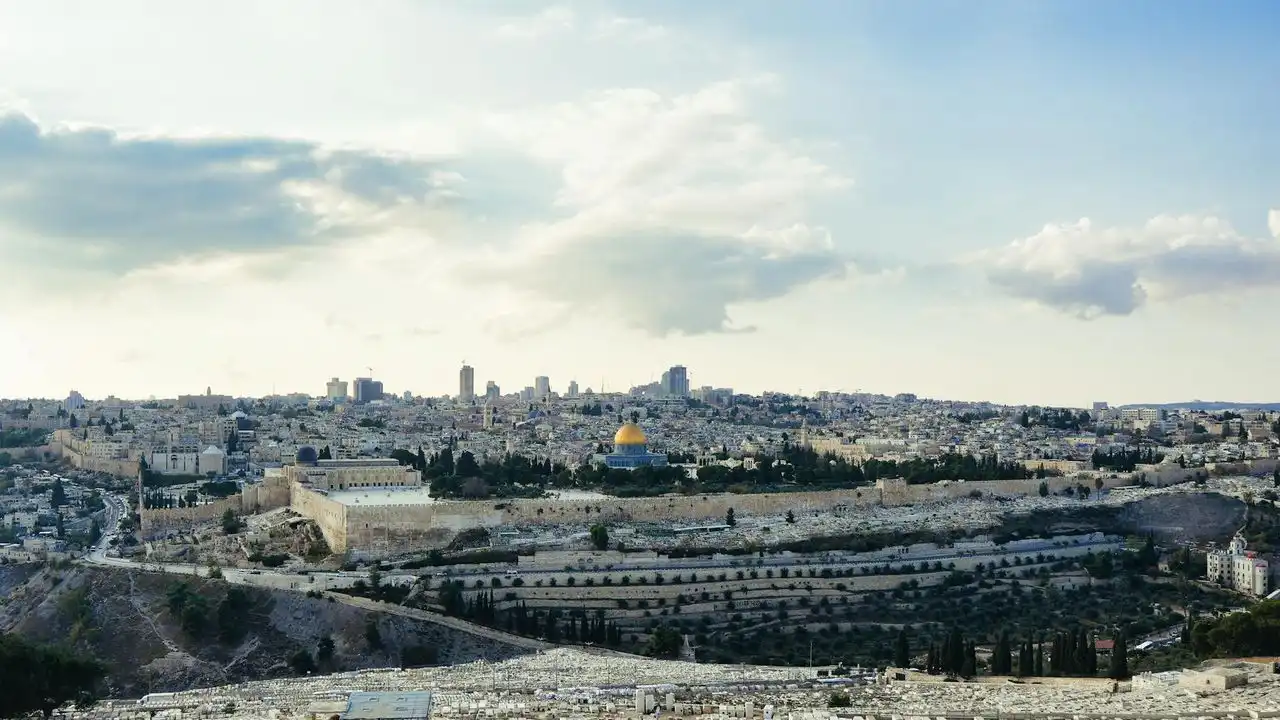
Knowing a few basic Hebrew phrases will completely change your experience when visiting Israel.
Locals always appreciate it when tourists make an effort to speak their language.
You don’t need to be fluent to navigate the country successfully.
Learning the right vocabulary will help you order food, get directions, and connect with people.
Here are the most useful Hebrew expressions you need for your trip.
Table of Contents:
Basic greetings and polite words
Politeness goes a long way in any culture.
Israelis are known for being direct, but using good manners is still highly valued.
You can get through most daily interactions with just a handful of courteous words.
| English | Hebrew | Transliteration |
|---|---|---|
| Hello / Goodbye / Peace | שלום | Shalom |
| Thank you | תודה | Toda |
| Please / You’re welcome | בבקשה | Bevakasha |
| Excuse me / Sorry | סליחה | Slicha |
| Yes | כן | Ken |
| No | לא | Lo |
Here’s how you might greet someone as you walk into a local shop.

שלום, מה נשמע?
הכל בסדר, תודה.
Getting around and asking for directions
Navigating a new city can be tricky without the right words.
Israel has a great public transportation system made up of trains, buses, and shared taxis.
These shared yellow minivans are called moniyot sherut and are a unique way to travel locally.
You simply hand your fare to the passenger in front of you, and they pass it up to the driver.
| English | Hebrew | Transliteration |
|---|---|---|
| Where is…? | …איפה | Eifo…? |
| Train | רכבת | Rakevet |
| Bus | אוטובוס | Otobus |
| Straight | ישר | Yashar |
| Right | ימינה | Yemina |
| Left | שמאלה | Smola |
If you get lost, you can ask a local for help finding the train.
סליחה, איפה תחנת הרכבת?
ישר, ואז ימינה.
Ordering food and drinks
Food is a massive part of Israeli culture.
You’ll likely spend a lot of time in cafes, restaurants, and street food stalls.
Knowing how to ask for the bill or order a drink makes dining out much smoother.
| English | Hebrew | Transliteration |
|---|---|---|
| Water | מים | Mayim |
| Coffee | קפה | Cafe |
| Menu | תפריט | Tafrit |
| The bill, please | חשבון בבקשה | Heshbon bevakasha |
| Very tasty | טעים מאוד | Taim meod |
Here’s a typical interaction you might have at a falafel stand.
אני רוצה מים, בבקשה.
הנה. טעים מאוד!
Shopping and money
You’ll definitely want to visit an outdoor market, known as a shuk.
The Carmel Market in Tel Aviv and the Mahane Yehuda Market in Jerusalem are incredible experiences.
Vendors expect you to ask about prices before you buy anything.
| English | Hebrew | Transliteration |
|---|---|---|
| How much does this cost? | כמה זה עולה? | Kama ze ole? |
| Money | כסף | Kesef |
| Expensive | יקר | Yakar |
| Credit card | כרטיס אשראי | Kartis ashrai |
This is how you ask a vendor for the price of an item.
סליחה, כמה זה עולה?
חמישים שקלים.
Emergencies and getting help
It’s always smart to prepare for unexpected situations when traveling abroad.
Most Israelis speak excellent English, which is very helpful in a pinch.
However, you should still learn how to state that you don’t understand Hebrew.
| English | Hebrew | Transliteration |
|---|---|---|
| Help | עזרה | Ezra |
| I don’t speak Hebrew | אני לא מדבר עברית | Ani lo medaber ivrit |
| I don’t understand | אני לא מבין | Ani lo mevin |
| Do you speak English? | אתה מדבר אנגלית? | Ata medaber anglit? |
If you’re confused, you can easily ask someone to switch to English.
אני לא מדבר עברית. אתה מדבר אנגלית?
כן, קצת.
If you want to build a stronger foundation before you travel, you can start learning with Talk In Hebrew.
